Brand ambassador deliverables: defining your scope of work
Learn how to define social media content creator deliverables for ambassador deals — monthly video counts, revision limits, platform rights, and content calendars.

The first brand ambassador deal I ever signed had one line for deliverables: "content as needed."
That arrangement lasted four months and ended in a dispute over exactly how many videos were "needed." The brand thought 20. I'd planned on 6. Neither of us was wrong — we'd just never had the conversation. That experience cost me the relationship and about $1,400 in under-compensated work.
Vague scope isn't a small admin problem. It's the single fastest way to destroy a long-term partnership before it has a chance to work. When you're locking in as a social media content creator, your deliverables need to be spelled out with the same specificity a freelance developer would use in a project contract. This post breaks down exactly how to do that.
Why social media content creator deliverables fail in ambassador deals
One-off UGC campaigns are simple: brand sends brief, you make a video, you get paid, done. Ambassador deals are completely different. You're committing to a recurring relationship, often for 3–12 months, sometimes with exclusivity clauses attached. The stakes for ambiguity are much higher.
The problems I see most often:
No defined monthly video count. The contract says "regular content" and both sides interpret that differently from day one. You budget time for 4 videos. They're expecting 12.
Revision rounds left open-ended. A brand with a nervous legal team or a new marketing manager can request revision after revision indefinitely if you haven't capped it. I've had brands ask for round six on a 30-second clip. Never again.
Platform rights that creep outward. You agree to TikTok content. Six weeks in, they're running your videos as paid Facebook ads without a separate conversation. That's a licensing issue — and it affects your rate significantly.
No content calendar anchor. Without agreed submission dates, you're always chasing the brand or being chased. It creates friction that quietly erodes the relationship.
If you haven't read through the full UGC creator's guide to brand ambassador programs yet, do that first — it covers how these deals are structured from end to end. This article goes deep on the deliverables and scope layer specifically.
Building the deliverables section: what to include
The deliverables section of your ambassador scope of work should answer five questions precisely. No wiggle room, no "as agreed upon," no vague language.
1. Monthly video and asset count
Be specific. Not "4–6 videos" — pick a number. "4 videos per calendar month" is enforceable. "4–6" gives the brand permission to always ask for 6.
Break it down by asset type too. A typical structure might look like:
- 4 x short-form videos (15–60 seconds, vertical, TikTok/Reels format)
- 2 x static product images (lifestyle, brand-approved usage)
- 1 x long-form video (60–90 seconds, for YouTube Shorts or repurposed to paid ads)
If they want more than what's in the count, that's an add-on billed separately. Define that in the contract. The UGC creator retainer packages guide is a great reference for how to structure add-on pricing inside monthly deals.
2. Revision limits
Two rounds of revisions per asset is my standard. After round two, any further changes are billed at my hourly rate. I put the exact dollar amount in the contract — currently $85/hour — so there's no negotiation when it comes up.
The revision clock starts when you deliver the first draft, not when the brand "gets around" to reviewing it. Build that in too. Something like: "Revision requests submitted more than 7 business days after initial delivery are treated as a new deliverable." Sounds harsh. Saves you constantly reworking content because someone went on vacation.
3. Platform usage rights
This is where most creators leave serious money on the table. There are three things to define:
Where — Which platforms can the brand publish your content? TikTok, Instagram, YouTube, paid social (Meta Ads, TikTok Ads), their website, email newsletters, out-of-home? Each one is a different use case with a different value.
How long — Is the license 3 months, 6 months, 1 year, or in perpetuity? Perpetual rights should cost more. A lot more.
Exclusivity — Can they share the content with third-party affiliates or agencies? Can they white-label it into someone else's ad account? That's a separate conversation entirely.
UGC usage rights pricing is a rabbit hole worth going down before you finalize any ambassador contract. Paid ad rights alone can justify adding 30–50% to your base rate.
For ambassador deals specifically, I typically offer 6-month paid social rights included in the base package, with annual rights available at an additional flat fee negotiated upfront. This avoids the awkward renegotiation mid-contract.

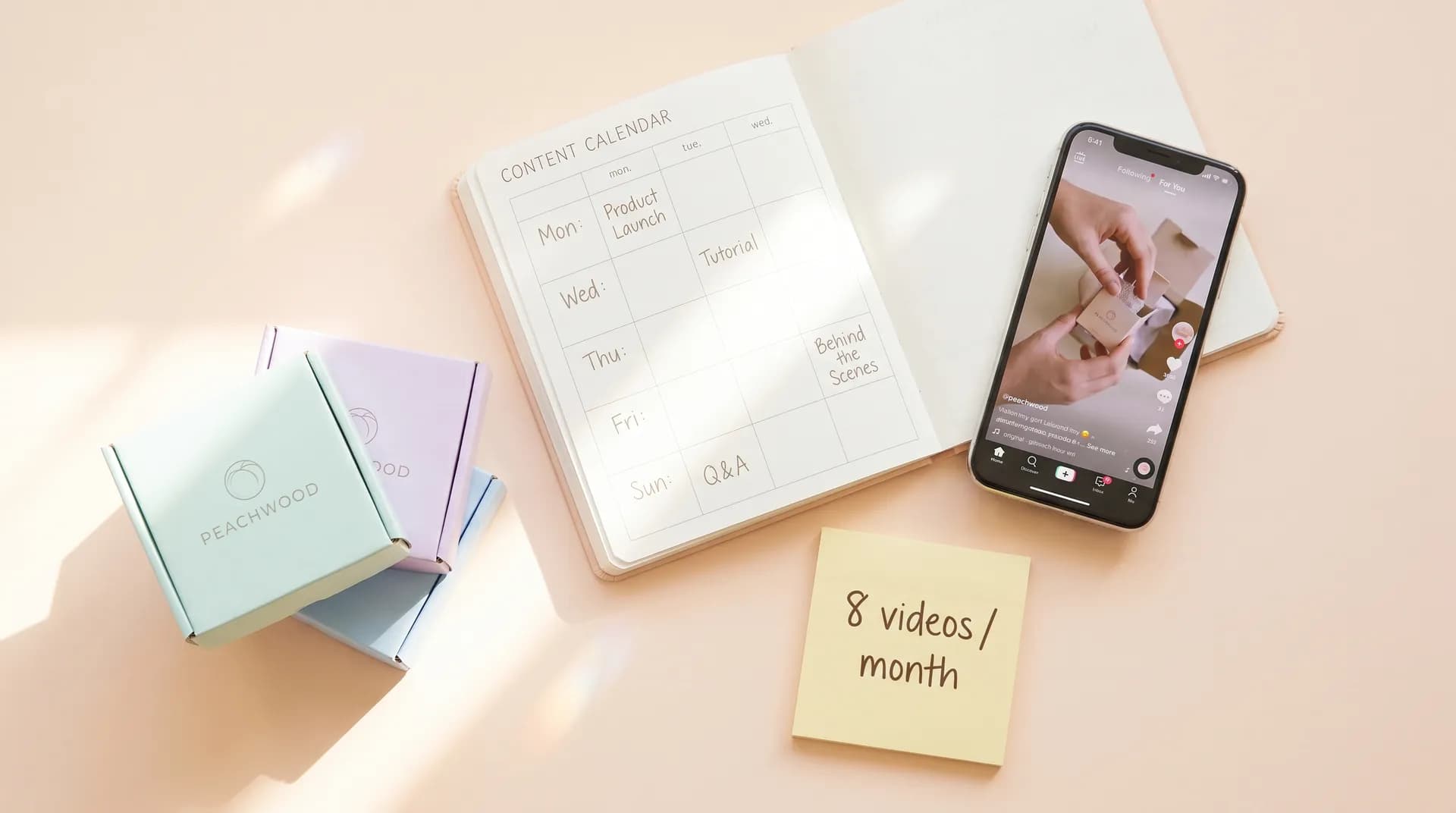
4. Content calendar and submission timelines
A content calendar isn't just an organizational tool — it's a boundary-setting mechanism. When both sides agree to a schedule at the start of the month, the brand can't drop a brief on you with a 48-hour turnaround and expect it to count against your deliverable count.
My preferred structure for ambassador deals:
- Brief due from brand: 1st of each month
- First draft delivered by creator: 10th of each month
- Revision requests due from brand: 15th of each month
- Final delivery: 20th of each month
That leaves 10 days at the end of the month as buffer. Brands love the predictability. It also means you can batch-film all four videos in one or two sessions rather than scrambling week to week.
If you want to understand how to think about repurposing that content across platforms after delivery, this guide on repurposing UGC video content is worth reading — especially relevant when a brand wants content adapted for multiple placements.
5. Approval and communication protocols
Define who the single point of contact is at the brand. Not "the marketing team." One named person. And define the communication channel — email only, a shared Notion workspace, Slack, whatever — so feedback doesn't get lost across five different platforms.
Turnaround time for brand approvals matters too. If they sit on a draft for three weeks, that's not your revision delay. Specify that unanswered drafts are considered approved after X business days. Five is standard. Some brands push back on this — that's fine, negotiate it, but have a number.
Exclusivity: the clause that needs its own conversation
Ambassador deals sometimes include category exclusivity — meaning you agree not to work with direct competitors for the duration of the partnership. That's legitimate, and brands will pay for it. But the scope needs to be defined tightly.
"No competing brands" is too broad. If you're an ambassador for a protein powder brand, does that mean no supplements at all? No fitness brands? No food brands? I've seen creators accidentally lock themselves out of an entire niche for 12 months because the exclusivity clause wasn't specific.
Define it as: "Creator agrees not to create content for brands that sell [specific product category] in [specific markets] during the term of this agreement." The narrower, the better — for both sides.
Exclusivity should also be compensated separately, not baked into the base rate silently. I typically charge a flat monthly exclusivity fee on top of my deliverable rate. The amount depends on how broad the category is and how much potential work it cuts off.
For more on how to structure this conversation, how to negotiate brand deals covers the tactical side well.
A note on content ownership
By default, you own your content. The brand gets a license to use it, not ownership of it. Make sure your contract says this explicitly.
Some brands will try to include a work-for-hire clause, which transfers full copyright to them. That's not inherently wrong — but it should change your rate significantly. If you're signing away ownership, you're giving up the right to ever use that content in your portfolio, your own channels, or future pitches.
Work-for-hire should cost 2–3x your standard licensing rate. Non-negotiable in my book. According to the U.S. Copyright Office, work made for hire is a specific legal designation — understand what you're agreeing to before you sign.
What a complete scope-of-work section looks like
Here's a stripped-down example of what a deliverables section should look like in an actual ambassador contract:
Monthly Deliverables: 4 short-form videos (15–60 seconds, vertical format), 2 static lifestyle images.
Revisions: 2 rounds per asset included. Additional revisions billed at $85/hour.
Platform Rights: TikTok, Instagram Reels, Meta paid ads. License term: 6 months from delivery date. No third-party or white-label usage without written approval.
Content Calendar: Briefs due from brand by the 1st. Drafts delivered by the 10th. Revision requests by the 15th. Final delivery by the 20th.
Approval: Unanswered drafts considered approved after 5 business days.
Exclusivity: Creator agrees not to create content for direct competitors in the [protein supplement] category during the contract term. Exclusivity fee: $X/month, billed separately.
That's it. Two paragraphs of plain language. No legalese required, though you should absolutely have a proper contract (DocuSign or HelloSign both work fine) rather than a PDF you both just email back and forth.
For creators just starting to explore ambassador relationships, how to become a brand ambassador with no big following is a good starting point before you're deep in contract negotiations.
Before you send any scope of work: Make sure the brand has confirmed their internal approval process. If they have three layers of sign-off, your 5-day approval window will constantly create conflict. Better to know upfront and adjust the calendar accordingly.
FAQ
Frequently Asked Questions
What are typical deliverables for a brand ambassador?
How many revision rounds should a content creator include?
What should be included in a social media content creator deliverables list?
How do usage rights affect brand ambassador rates?
What is a content calendar in an ambassador deal?
Should brand ambassador deals include exclusivity?
Related reading
- Brand ambassador program: the UGC creator's full guide
- What is a brand ambassador? A UGC creator's definition
- How to become a brand ambassador with no big following
- Brand ambassador jobs: where brands actively recruit creators
- How to negotiate brand deals: scripts and tactics that work
- UGC creator retainer packages: how to price monthly deals