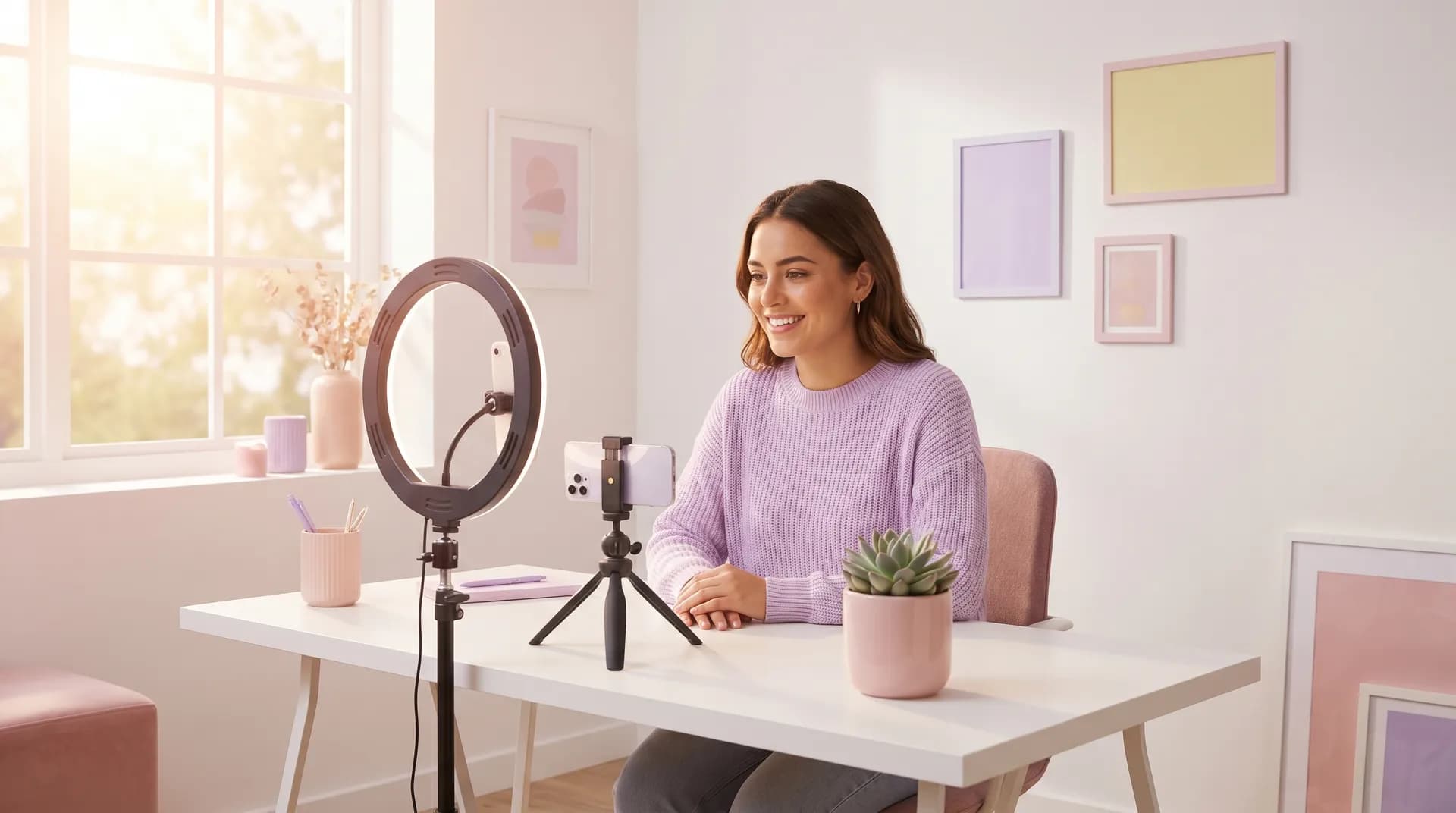
How to become a content creator and get paid (small following)
Want to get paid as a content creator without a big audience? Here's exactly how to pick a niche, post your first content, and land your first brand deal.

Most people who want to become a content creator think they need tens of thousands of followers before a brand will even look at them. I spent years watching that myth slow creators down — and I'm here to tell you it's completely wrong.
Brands are actively paying creators with 1,000 followers. Sometimes even fewer. The creator economy has shifted, and the old playbook — build a massive audience, then monetize — isn't the only path anymore. If you know how to position yourself correctly from day one, you can go from zero to your first paid brand deal in 60 to 90 days.
Here's exactly how to do it.
How to become a content creator who actually gets paid
The mistake most beginners make is treating "becoming a content creator" as a content problem. Post more. Be consistent. Use trending sounds. None of that is wrong, but it misses the point entirely. Getting paid as a creator is a positioning problem first, a content problem second.
Brands don't pay for follower counts. They pay for audience trust, content quality, and niche relevance. A 900-follower account in the pet care space with a 12% engagement rate is worth more to a pet supplement brand than a 50,000-follower lifestyle account with 0.4% engagement. That's not a theory — that's how brands actually choose who they work with.
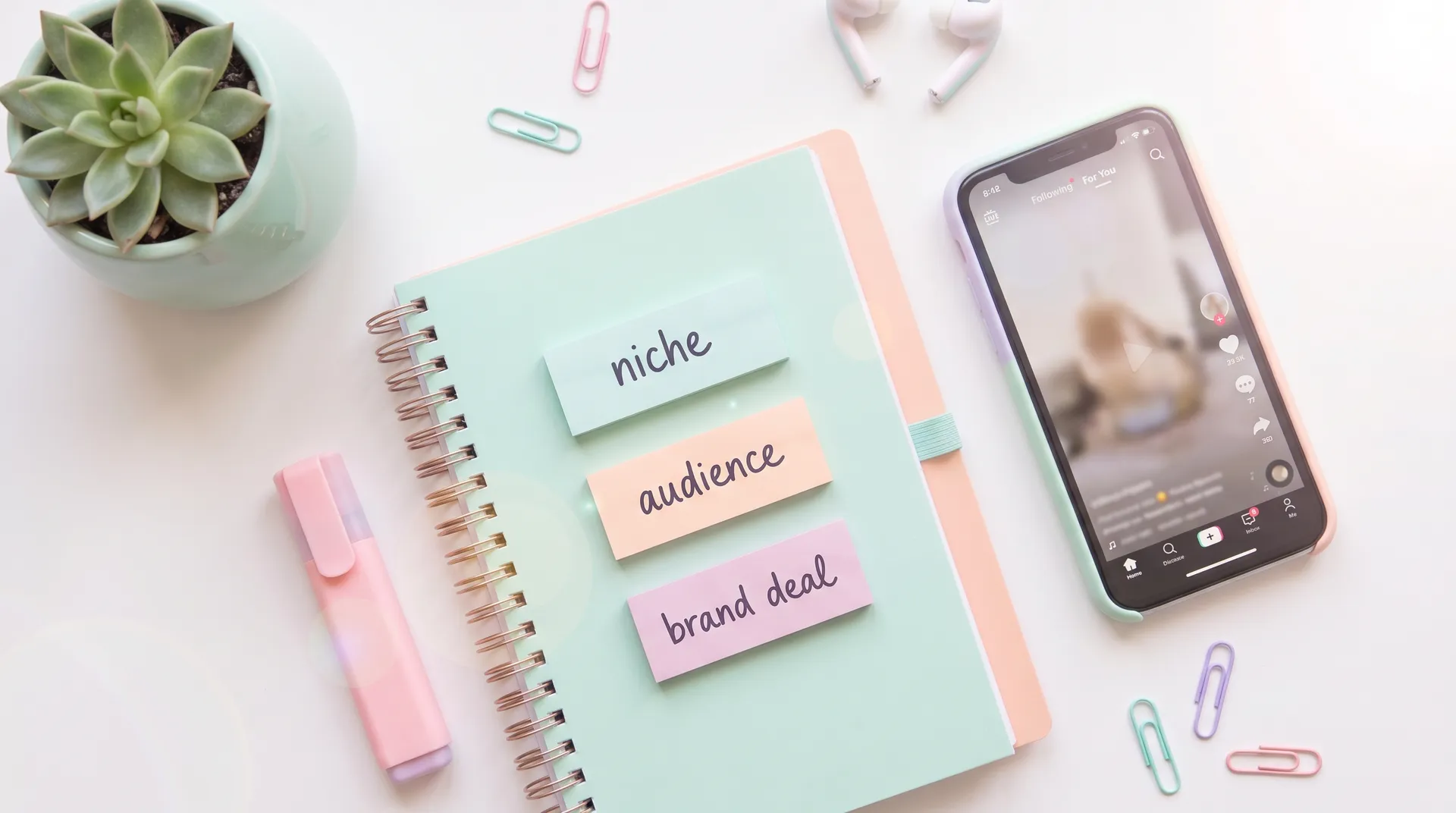
So before you post a single piece of content, you need to nail three things.
Pick a niche you can own — not just one you like
"Lifestyle" isn't a niche. "Fitness" isn't a niche. "Gut health for busy moms" is a niche. "Affordable home décor for first apartments" is a niche.
The tighter your focus, the faster brands find you relevant. When I talk to brand managers, they're not searching for "fitness creators." They're searching for creators who talk specifically about pre-workout supplements, recovery gear, or sleep optimization. Your niche is your filter — it determines which brands slide into your DMs.
Pick something at the intersection of two things: what you genuinely know or care about, and what has a clear commercial ecosystem around it. That second part matters more than most new creators realize. Ask yourself: what brands spend money in this space? If you can name 10+ brands that would logically want to reach your audience, you've found a monetizable niche.
The best-paying UGC creator niches tend to cluster around beauty, wellness, home, tech, and pet care — industries where brands have big ad budgets and need constant fresh content.
Your first 10 pieces of content
Don't overthink this. The first 10 posts are not about going viral. They're about proving you can make content consistently and that you have a clear point of view.
Here's the framework I'd follow:
Posts 1–3: Introduce yourself and your niche. Show who you are, what you cover, and why you care. Keep it authentic — brands will read your early content to understand your voice.
Posts 4–7: Solve a real problem for your target audience. How-to content, reviews, comparisons. This establishes authority and shows brands you can educate, not just entertain.
Posts 8–10: Start weaving in product content — even if it's not a paid deal. Review something you actually use. This primes brands to see you in a commercial context, and it builds spec content you can use in your portfolio.
Shoot on your phone. Don't wait for a camera upgrade. The biggest thing holding new creators back is perfectionism, not equipment.
The fastest path from zero to your first brand deal
Here's what nobody tells you when you search "how to become a content creator": you don't have to wait for brands to find you. In fact, waiting is the slowest possible strategy.
UGC vs. influencer content — know the difference
Before you pitch anything, understand that there are two ways to get paid as a creator with a small following.
UGC (user-generated content): Brands pay you to create content they use in their own ads and channels. Your follower count is completely irrelevant here. Brands are buying the content itself, not your audience. This is the fastest path to your first paycheck as a new creator. Brands have been shifting budgets specifically toward UGC because it performs better than polished studio ads.
Influencer posts: Brands pay you to post content to your audience. Here, follower count and engagement matter. With under 10,000 followers, you're in nano territory — and that's not a bad place to be. Nano creators often have higher engagement rates than mega-influencers, which is exactly why brands actively seek them out.
Both paths are real. I'd recommend starting with UGC because you can get paid before you've built a meaningful audience. Once your following grows, you stack both income streams.
Build a simple portfolio before you pitch
You don't need 50 videos. Three to five strong pieces of content that showcase your niche and shooting style will get you in the door.
If you're starting from absolute zero, make spec content — pretend you're being paid by a brand and create a video for them. Pick a product you own, write a simple script, film it, edit it. That's your portfolio. Building a UGC portfolio with no prior experience is more straightforward than most people expect.
Host it somewhere clean. A simple link-in-bio page, a dedicated Instagram highlight, or a Notion doc with embedded videos works fine when you're starting out. You don't need a fancy website on day one.
Set a rate before anyone asks
New creators always get caught off guard when a brand asks "what are your rates?" and they haven't thought about it. That pause costs you money, because brands will lowball hesitation.
For a starter UGC creator, $100–$200 per video is a defensible starting point. For nano influencer posts (where you're posting to your own audience), factor in your follower count, engagement rate, and usage rights. Before you quote anything, read up on how to build a UGC rate card — it'll save you from undercharging on your first deal.
Your first outreach
Don't wait for brands to come to you. Send cold emails. DM brands on Instagram. Apply through UGC platforms and campaign marketplaces.
When you reach out, make it about them, not you. Don't lead with "I'm a new creator looking for opportunities." Lead with a specific idea: "I love your new moisturizer line — I created a spec video showing how I'd position it for an anxious-skin audience. Here's the link."
That specificity is what gets responses. Generic pitches don't.
Also: optimize your Instagram bio before you start outreach. Brands will look you up, and your bio needs to communicate your niche and that you're open to collaborations in about three seconds. Getting your Instagram bio right is one of those small tweaks that makes a disproportionate difference.
What to do once you land the first deal
Deliver early. Overcommunicate. Make revisions without complaint (within reason). Your goal with the first deal isn't to maximize pay — it's to get a glowing testimonial and a relationship you can turn into a longer-term arrangement.
One-off deals are fine. But retainer deals — where a brand pays you a monthly rate for ongoing content — are where the real money is. Once you prove yourself on deal one, ask about ongoing needs. Many brands would rather lock in a creator they trust than restart the search every month.
If a deal involves exclusivity, make sure you understand what you're signing. A clause that stops you from working with competitors for six months can cost you more than the deal is worth. Know your rights before you film a single frame — our breakdown of non-compete clauses in brand deals is worth reading before you sign anything.
This space rewards people who start before they're ready
The creator economy isn't waiting for you to feel confident. Brands are running campaigns right now, and they need creators at every level. The nano and micro tier is one of the most active segments in influencer marketing today — and it's only getting more competitive as more people discover this path.
That's not a reason to panic. It's a reason to start today, post your first piece of content this week, and send your first pitch by the end of the month.
The creators who get paid don't wait until everything is perfect. They build in public, learn from each deal, and compound their way up.
Quick-start checklist: Pick a tight niche → Create 5–10 niche posts → Film 3 spec videos for your portfolio → Set your rates → Optimize your Instagram bio → Send 10 cold pitches. That's the whole roadmap.
Frequently Asked Questions
How many followers do you need to become a paid content creator?
How long does it take to get your first brand deal?
What niche should I choose as a new content creator?
Do I need professional equipment to become a content creator?
What's the difference between a UGC creator and an influencer?
How much should a beginner content creator charge for a brand deal?
Related reading
- Micro influencer marketing: the complete 2026 guide
- Brand ambassador roles: how nano creators can land them
- Why brands choose micro & nano social media influencers
- Instagram influencer marketing: how small accounts land paid posts
- Instagram bio ideas for creators that attract brand deals
- How to apply for UGC campaigns and actually get selected
- How to build a UGC rate card that wins brand deals