
UGC creator niche specialization: does going narrow pay more?
Specializing as a UGC creator in one vertical can command 2–3x higher rates and faster client acquisition. Here's the honest breakdown of when it pays off.

When I talk to UGC creators who are stuck at $1,500–$2,000/month, the pattern is almost always the same. Their portfolio looks like a highlight reel of every product category imaginable — protein powder next to a pet brush next to a SaaS dashboard next to a candle. They're proud of the range. Brands see it and feel nothing.
UGC creator niche specialization is one of the most debated decisions in this space, and the debate is mostly between people who haven't stress-tested both sides. I have. Here's what I actually think.
The case for niche specialization as a UGC creator
The uncomfortable truth about being a generalist UGC creator is that you're competing with everyone. And "everyone" includes creators who will do it for $75 a video.
When you specialize — say you become the person brands call for wellness supplement content — you're no longer in that race. You're in a different one with far fewer runners and much higher prize money.
Here's the practical reason this works: brands in high-stakes verticals (supplements, SaaS, fintech, medical devices) have specific compliance needs, audience psychology knowledge, and creative conventions that take time to understand. When a DTC supplement brand sees a portfolio full of before/after testimonials, ingredient callouts, and lifestyle shots that mirror what's already working in their ad accounts, they trust you immediately. That trust has a dollar value.
I've seen specialized creators in wellness and beauty consistently charge $400–$600 per video, while general-purpose creators with comparable technical skills sit at $150–$250. That's not a small gap. Over a month of consistent work, that's the difference between a side hustle and a full-time income — which is exactly what I break down in the guide on how to go full-time as a UGC creator in 2025.
Speed of client acquisition is the other win. Specialized creators don't just command more per video — they close deals faster. A brand searching for a "beauty UGC creator" who lands on a portfolio of 15 stunning skincare videos makes a decision in seconds. A brand searching for UGC generally, who finds a generalist portfolio, has to do more mental work. Friction kills deals.
Which UGC niches actually command premium rates
Not all specializations are created equal. Picking the wrong vertical is just as bad as staying a generalist.
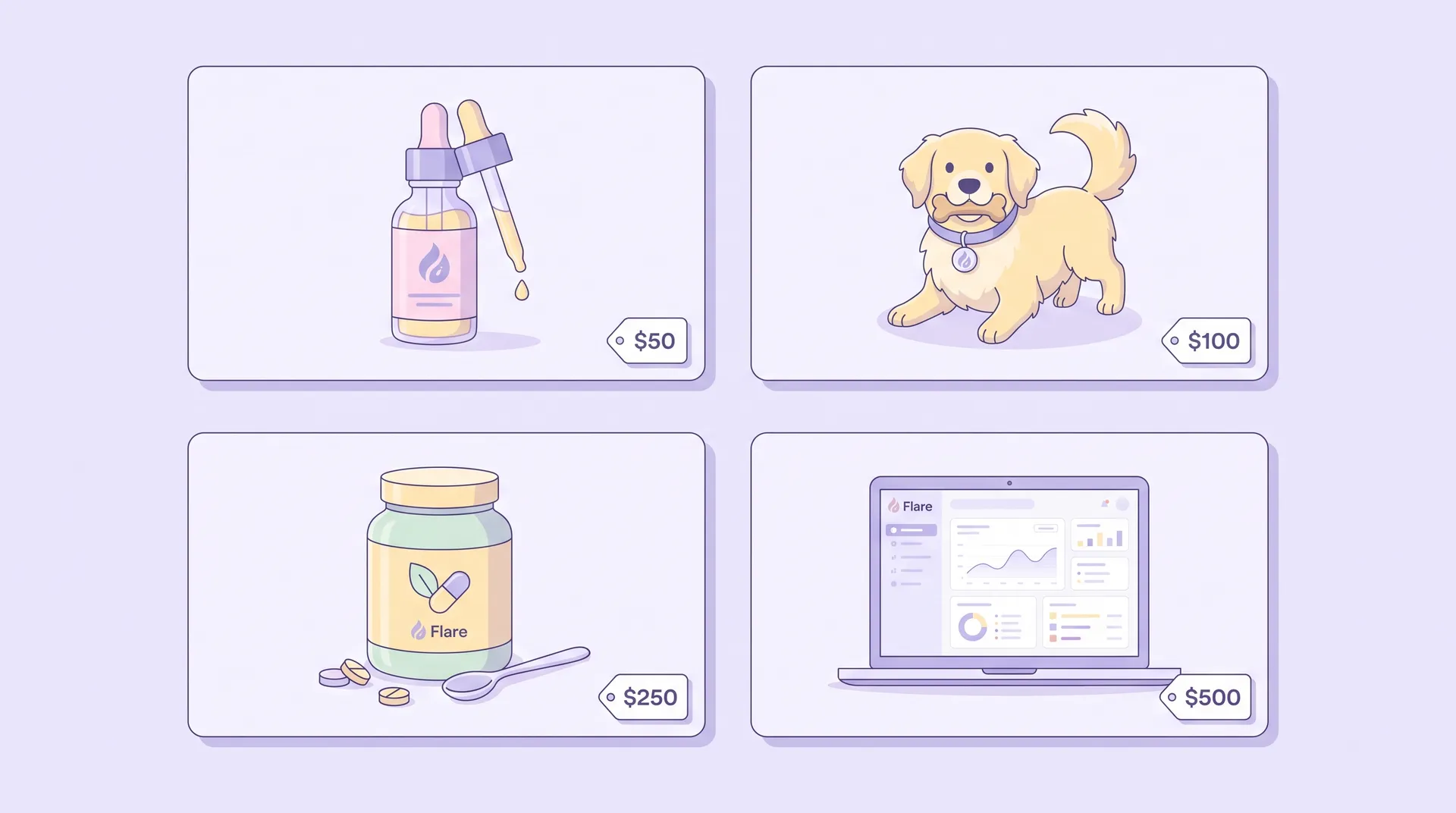
Here are the four categories I consistently see paying above-market rates:
Beauty and skincare. The highest-volume niche by far. Brands in this space run relentless ad testing — they're always hungry for fresh creative. The downside: it's also the most crowded niche for UGC content creators, which means you need either a clear aesthetic signature or a specific sub-niche (think K-beauty, mature skin, or men's grooming) to stand out.
Health, wellness, and supplements. This is where the pricing really opens up. Brands in the supplement space spend aggressively on performance creative and face strict advertising restrictions on platforms like Meta, which makes high-quality UGC even more valuable. Creators who understand how to make compliant, conversion-focused content for supplements often charge retainer rates rather than per-video fees.
SaaS and B2B tech. Counterintuitively, this is one of the best niches to specialize in. The competition is thin because most UGC creators don't think of themselves as B2B content people. But SaaS companies have massive acquisition budgets, they understand content ROI, and they pay on time. A UGC creator who can explain software in plain English and make it feel human is worth a lot to a company spending $50k/month on paid ads.
Pet. Yes, really. The pet industry crossed $150 billion in US spend in 2023 and pet brands are some of the most active UGC buyers. If you have a pet, your barrier to entry is lower, your content is inherently authentic, and the brands in this space are often willing to pay a premium for creators who genuinely live the lifestyle.
Niches that tend to underpay: fashion (too crowded), home decor (brands are slow to buy), and food/beverage (high demand but low per-video rates). You can make them work, but you'll grind harder for less.
The real cost of staying a generalist
Being a generalist isn't free. It has a cost, it's just invisible.
The first cost is positioning. Without a clear niche, you can't write a bio that hooks brand managers. You can't build a portfolio that creates an instant "yes." You end up in every DM campaign, every marketplace application, competing purely on price and availability.
The second cost is knowledge debt. When you specialize, every campaign you do compounds. You learn the creative conventions, the regulatory constraints, the audience psychology of your vertical. That knowledge makes your next video better and faster to produce — which is money. Generalists start from zero with each new category.
The third cost is the referral flywheel. Specialized creators get passed around within industries. One supplement brand refers you to another. One SaaS company's marketing manager moves to a new company and brings you with them. Generalists rarely see this because there's no logical referral chain — a pet brand isn't going to recommend you to a fintech company.
That said — and I want to be honest about this — specializing too early or too narrowly is a real trap. If you choose a niche before you've shot enough content to know what you're actually good at on camera, you might specialize into something that feels like a grind. The UGC creators who earn the most aren't always the most specialized; they're the most strategically positioned. There's a difference.
If you're still figuring out income ceilings and what full-time actually looks like financially, the breakdown in how much do full-time UGC creators actually earn? will give you real numbers to work with.
How to pick your UGC creator niche (without guessing)
Most of the advice here is "follow your passion," which is not useful. Here's what actually works.
Step 1: Audit what you already have. Look at every piece of content you've produced. Where did brands give you the most positive feedback? Where did your content perform best in their ad accounts? That's signal. Follow the signal.
Step 2: Cross-reference with budget. Some niches are exciting but broke. Before you commit, check how actively brands in that space buy UGC. Look at job boards like Billo, Insense, and Minea — are there dozens of active campaigns in your potential niche, or five? Volume of demand matters as much as your interest.
Step 3: Pick a niche adjacent to your actual life. The best UGC is authentic. If you genuinely use supplements, shop for skincare, or have a dog that eats a specific brand of food, your content will show it. That authenticity is not something you can fake at scale, and brands that run a lot of UGC can spot the difference.
Step 4: Give it 90 days. Make a decision, produce at least 10–12 strong portfolio pieces in that niche, pitch actively, and collect real feedback. Don't pivot after 3 weeks because it feels slow. Specialization takes time to compound.
Once you know your niche, your client pipeline becomes dramatically easier to build — because you're pitching the same type of buyer over and over, learning their objections, and refining your approach with every outreach.
What about multiple niches?
Some creators do well with two complementary niches — like beauty and wellness, or pet and home. That can work. What doesn't work is four unrelated niches, because you've just re-created the generalist problem with extra steps.
If you're building toward multiple revenue streams — say, UGC production in one niche plus a retainer arrangement in another — that's a different conversation. Read more on how to structure that in UGC creator multiple revenue streams: stack your income. The key is keeping each niche coherent enough to have a portfolio that tells a clear story.
The other thing worth knowing: as you scale, the batching and workflow efficiencies from specializing are enormous. When every brand you work with is in wellness, you're sourcing similar props, building similar set-ups, using similar lighting. Your content batching workflow tightens dramatically because you're not constantly reinventing the wheel.
FAQ
Frequently Asked Questions
Does UGC creator niche specialization actually increase rates?
What is the best niche for a UGC content creator to break into?
Can I specialize in more than one UGC niche?
How long does it take to see results from specializing as a UGC creator?
Should a beginner UGC creator specialize right away?
Do specialized UGC creators get more repeat business?
Related reading
- How to go full-time as a UGC creator in 2025
- How much do full-time UGC creators actually earn?
- UGC creator multiple revenue streams: stack your income
- How to manage a UGC creator client pipeline
- UGC creator batching workflow: shoot a month in 3 days
- UGC creator side hustle to full-time: when to leap