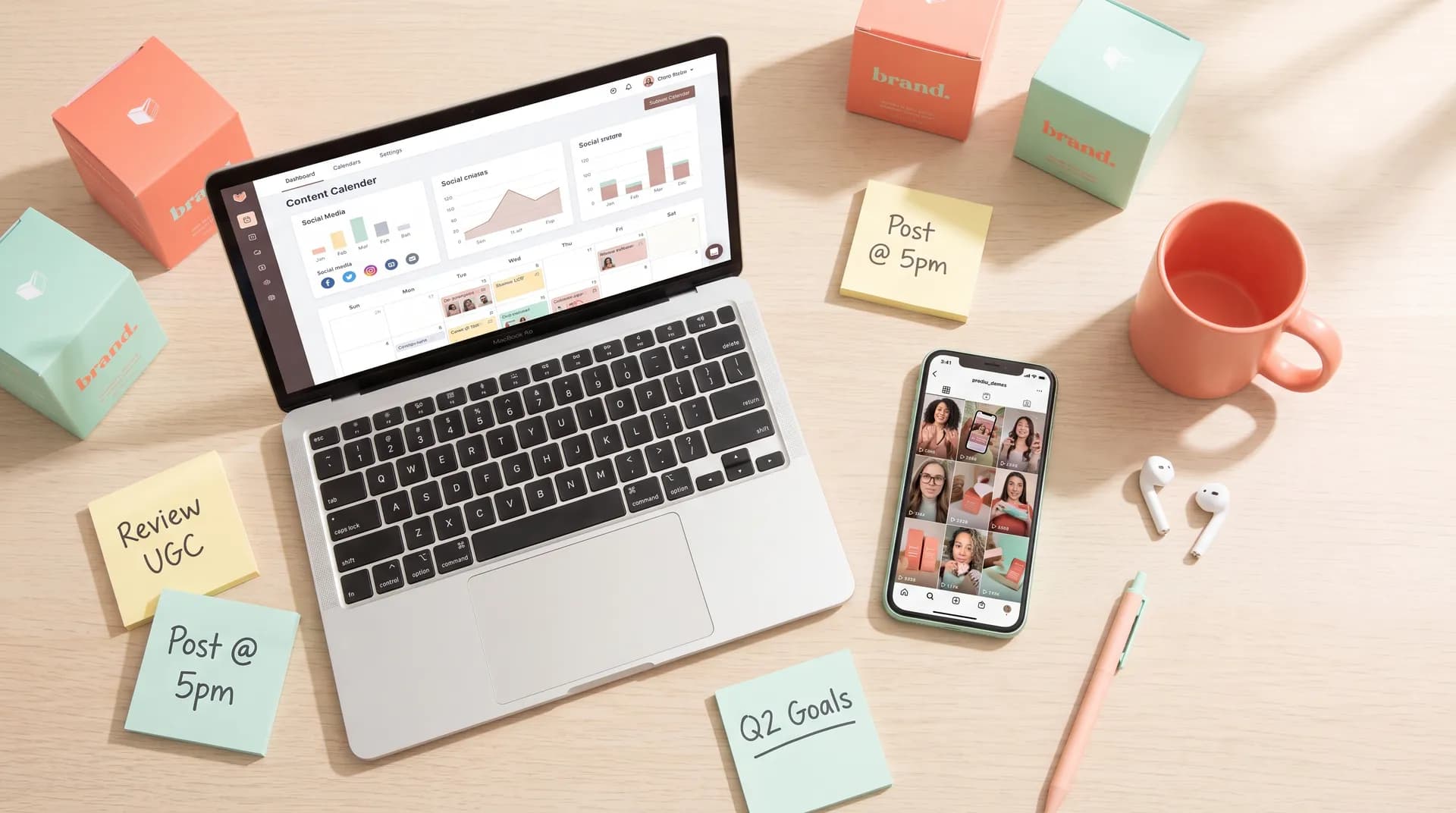
How to get UGC for your brand (without a big following)
Six proven methods to get UGC for your brand fast — from paid creator platforms and post-purchase flows to product gifting and hashtag campaigns.

Most brands think they need a huge audience before anyone will create content for them. That's wrong. Some of the best UGC content libraries I've seen belong to brands with under 10,000 followers — they just knew where to look and how to ask.
Knowing how to get UGC is genuinely one of the highest-leverage content moves a brand marketer can make in 2025. A single paid creator produces maybe one polished ad. A smart UGC acquisition system produces 30, 40, 50 pieces of authentic content — the kind that outperforms polished ads on Meta and TikTok by a measurable margin. So let's talk about how to actually build that system.
The six methods that actually work for getting UGC
Not all of these will fit your brand right now. I'd pick two or three to start, get them working, then layer in the rest. Trying to run all six at once with no infrastructure is a mistake.
1. Creator marketplace platforms
This is the fastest way to get consistent, ad-ready UGC content from day one. Platforms like Billo, Insense, and Trend connect brands directly with vetted creators who produce content on brief — no follower count required, no organic reach attached.
You pay for the content asset, full stop.
Typical pricing runs $50–$200 per video depending on the platform tier and creator. For a $1,000 test budget, you can realistically walk away with 6–12 pieces of UGC content. That's enough to run a proper creative split test on Meta.
The caveat: you get what you brief for. A vague creative direction produces vague content. Invest real time in your brief — hook direction, tone, call to action, product angle — and you'll get content worth running as ads. Skim it and you'll end up with videos you can't use.
2. Post-purchase email and SMS flows
Your existing customers are sitting on the most credible UGC imaginable. They actually bought your product. They used it. They have opinions.
Most brands never ask.
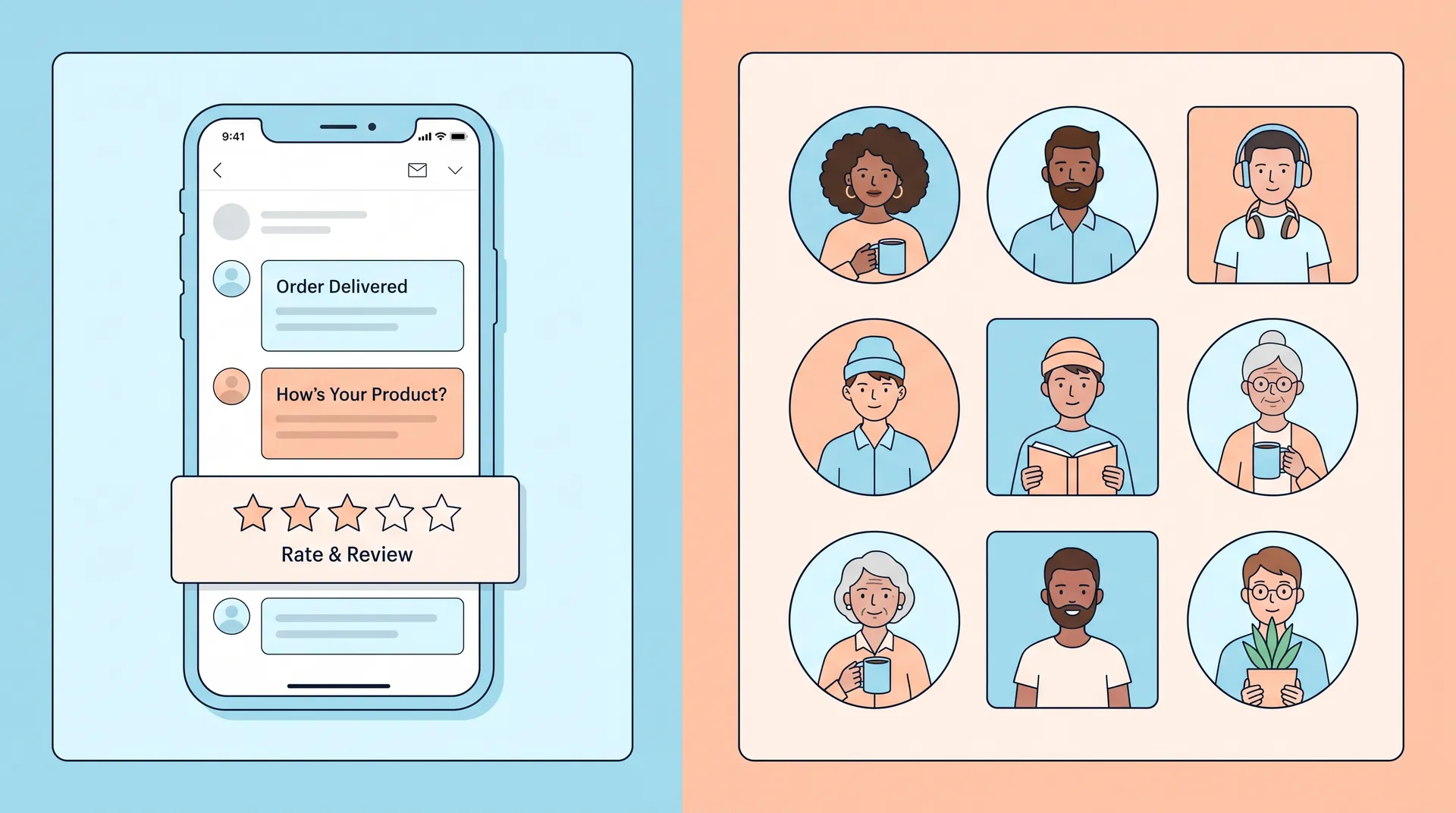
A simple post-purchase sequence works like this: send an email 7–10 days after delivery asking for a photo or short video review. Offer something in return — a discount code, loyalty points, early access to a new product. Not everyone will respond, but conversion rates of 3–8% are completely achievable with the right copy and incentive.
Klaviyo, Postscript, and similar tools make this automatable. Once it's live, it runs in the background generating UGC content on autopilot while you focus on other things. The content you get won't always be polished — but that's the point. Authenticity is the asset.
If you already have an email list of even 1,000 customers, a single post-purchase flow with a 5% response rate gives you 50 pieces of real customer content. Most brands have this and never build the flow.
3. Community seeding
Find the communities where your target customers already hang out — relevant subreddits, Facebook groups, Discord servers, niche Slack communities — and seed product into those spaces.
The approach is simple: offer free product to active community members in exchange for an honest review they share publicly. No follower minimums. No reach requirements. The person just needs to be real, engaged, and willing to share their experience.
This works especially well for new brands building their first content library. You're not paying for distribution — you're paying for the content asset and getting community trust as a bonus. Some of those community posts will get shared far beyond where they started.
Be transparent about it. "I'm the founder and I'd love to send you a free unit in exchange for your honest feedback" goes over much better than anything that feels like astroturfing.
4. Paid UGC creators (without whitelisting)
This is different from creator marketplaces in one important way: you're sourcing creators directly, usually via TikTok, Instagram, or a quick creator database search, and briefing them one-on-one.
The advantage is more control over creator selection and content style. You can find someone who looks like your exact customer avatar, whose aesthetic matches your brand perfectly, and negotiate usage rights directly.
When you go this route, understand the rights conversation upfront. Usage rights for ads cost more than organic-only rights — and rightfully so. If you want to run creator content as paid ads (whitelisting), that needs to be in the agreement before filming starts, not after. If you're new to this side of the deal, read up on UGC whitelisting rights and what they cost before you brief anyone.
Rates for pure UGC content (no posting required) typically run $100–$400 per deliverable for beginner-to-mid-tier creators. You can find excellent talent in this range.
5. Hashtag campaigns and organic incentive programs
Run a campaign that gives your real customers a reason to post about you publicly.
The mechanics vary: a contest with a branded hashtag, a challenge format, a "show us how you use it" prompt with a prize. The key is that the incentive has to be worth the effort — a 10% discount code won't motivate anyone to film and edit a video. A $500 cash prize, a feature on your main account, or a meaningful product bundle? That moves people.
This method takes longer to produce volume, but the content you get is the purest form of UGC. Nobody staged it. Nobody was briefed. These are actual customers who wanted to share.
One thing most brands mess up here: they launch the hashtag and never engage with the content. When a customer posts and hears nothing, they don't post again. When you comment, repost their content (with permission), or DM them a thank-you, you turn them into repeat contributors. That's how hashtag campaigns build momentum.
6. Product gifting programs
Structured gifting is underrated for brands with a physical product. You build a list of micro-creators — people with anywhere from 1,000 to 50,000 followers in your niche — send them product for free, and ask for content in return.
No guaranteed post. No contractual obligation. Just honest content if they love it.
The math works because you're not paying creator fees — you're paying product cost. For a $30 COGS item, you can seed 30 creators for $900. Even if only 30% create content you can use, that's 9 new UGC pieces at $100 each. Competitive with any paid method.
The quality of content from gifting tends to be high because the creator genuinely chose to make something. They liked the product enough to talk about it. That enthusiasm is visible on camera.
Be realistic about one thing: not every gifted creator will deliver. Build your list with that in mind. Gift 3x the number of creators you actually need content from.
Combine gifting with a clear content brief. You're not dictating what they say — you're giving them angles to explore, hooks to consider, and context about your product. Creators appreciate direction. It makes their job easier and your content more consistent.
How to think about which method to start with
If you have an existing customer base — even a small one — start with the post-purchase flow. It costs almost nothing to build and produces compounding results.
If you need content fast for an upcoming campaign, go straight to a creator marketplace. You'll have deliverables within 7–14 days.
If you have budget but want more authentic, bespoke content — direct paid creator sourcing is the move. It takes more time to manage but the output is usually better.
For a deeper look at why UGC content consistently beats studio-produced ads in performance, check out what is UGC marketing and why it beats polished ads — it covers the data behind the format before you invest heavily in acquisition.
Getting the content is only half the job
Sourcing UGC is step one. What you do with it determines your ROI.
The brands that get the most out of their UGC content treat it like a creative testing system. They run multiple hooks, multiple angles, multiple creators against each other on paid social. They iterate based on what actually performs, then brief more content around winning formats.
If you're planning to run creator content as paid ads, the UGC vs. influencer marketing breakdown is worth reading before you allocate budget — the differences in cost-per-result are significant enough to change how you think about your overall content mix.
The brands losing at this aren't failing because they can't source content. They're failing because they source it without a system for using it. Don't make that mistake.