B2B Creator Vetting Process: Test Product Knowledge First
Our b2b creator vetting process uses quizzes, trial walkthroughs, and Q&A calls to confirm creators understand your product before you pay them.

I once watched a $4,000 B2B creator deal fall apart in the comments section. The creator had never actually logged into the product. You could tell within the first ten seconds of the video — she called a "workspace" a "dashboard," mispronounced the feature name three different ways, and demoed a workflow that didn't exist anymore. The brand pulled the post. The creator kept the kill fee. Everyone lost.
That's the moment I started building a real b2b creator vetting process instead of just checking engagement rates and calling it due diligence.
Here's the thing nobody tells you about B2B and SaaS creator partnerships: the follower count was never the risk. The risk is paying someone to explain your product who doesn't actually understand it. In consumer UGC, a creator can wing it — "this serum feels amazing" works even if they've used the product for six minutes. In B2B, your buyer is a VP of Ops evaluating a $30K/year tool. They'll know in five seconds if the creator actually gets what the software does. And if the creator fumbles the value prop, you've just handed your prospect a reason to distrust the whole campaign.
Why Product Knowledge Beats Follower Count in B2B Creator Vetting
I covered the broader shift toward hiring for job roles instead of audience size in Job Roles Over Follower Counts: SaaS Influencer Marketing, but vetting for role fit is only half the job. You also need to confirm the person can actually operate inside your product and talk about it like someone who's used it, not someone reading a script off a teleprompter.
B2B buyers are skeptical by default. They've sat through a hundred demos. They can smell a creator who got a one-page brief and a login an hour before filming. When that happens, your credibility — not just the creator's — takes the hit.
This is also the exact failure mode the pillar guide on B2B Influencer Marketing: Building Creator Partnerships warns against: treating creator partnerships like consumer influencer deals. The stakes, the sales cycle, and the audience sophistication are completely different. Vetting has to match.
The cost of skipping this step
Let's talk numbers, because that's what actually changes behavior. A mid-funnel SaaS content partnership typically runs $1,500–$6,000 per piece once you include usage rights and revisions. If the creator doesn't understand the product, you're not just wasting that fee — you're burning the distribution slot, the sales team's trust in the channel, and possibly the prospect's attention on a workflow you only get one shot at explaining well.
I've found it's almost always cheaper to spend 90 minutes vetting than to pay for a reshoot. Reshoots cost more than the original deliverable because now you're paying rush fees and re-briefing someone who's already formed (wrong) assumptions about your product.
Building a B2B Creator Vetting Process That Actually Screens for Understanding
I run every serious B2B creator candidate through three checkpoints before a contract gets signed. None of them take more than a day combined, and together they filter out almost every mismatch before money changes hands.
1. The product knowledge quiz
Before any call, I send a short quiz — 8 to 10 questions, multiple choice and short answer, built from our own docs and onboarding flow. Questions like:
- "What's the difference between a Project and a Workspace in our product?"
- "Name two integrations we support and one we don't."
- "A customer says X is confusing — what would you tell them?"
This isn't a trick test. It's a baseline check: has this person done the reading? Creators who've actually explored the free trial or watched the demo videos score well without studying. Creators who haven't will either skip the quiz or bomb it, and both are useful signals.
I keep it to 15 minutes max. If someone pushes back on taking it, that tells you something too — the good creators treat it as a chance to show competence, not an insult.
Pull quiz questions straight from your support team's FAQ doc or your onboarding emails. If your own customers get confused by something, that's a great thing to test for — it tells you whether the creator can handle nuance, not just surface-level features.
2. The trial walkthrough
Next, I give the creator sandbox access (or a free trial account) and ask them to record a 3-5 minute unscripted screen-share walking through one specific workflow — not a polished video, just a Loom. No script, no retakes.
This step does more work than anything else in the vetting process. You see exactly how they navigate the UI, whether they stumble on terminology, and whether they can explain "why" a feature matters, not just "what" it does. I've had creators who aced the quiz completely freeze during the walkthrough because memorizing facts and demonstrating fluency are different skills.
It also previews what your actual deliverable will sound like. If the creator can't make a 3-minute unscripted walkthrough feel natural, a polished 60-second ad script isn't going to magically fix that.
3. The live Q&A call
Last step: a 20-minute call, ideally with someone from your product or customer success team sitting in, not just marketing. Ask questions a skeptical prospect would actually ask:
- "What happens if I need to cancel mid-contract?"
- "How does this compare to [main competitor]?"
- "What's the biggest limitation of this tool right now?"
A creator who understands your product will answer honestly, sometimes even pointing out real limitations — which, counterintuitively, builds more trust with your audience than forced enthusiasm. A creator who's only memorized the quiz answers will dodge, deflect, or repeat marketing copy verbatim. You'll hear the difference immediately.
This step pairs well with the practitioner-sourcing approach I wrote about in Finding Practitioner Creators for Your B2B Influencer Marketing Strategy — creators who already work in your buyer's world tend to ask sharper questions on this call, because they're evaluating the product the way your actual customer would.
Scoring the Vetting Process Without Overcomplicating It
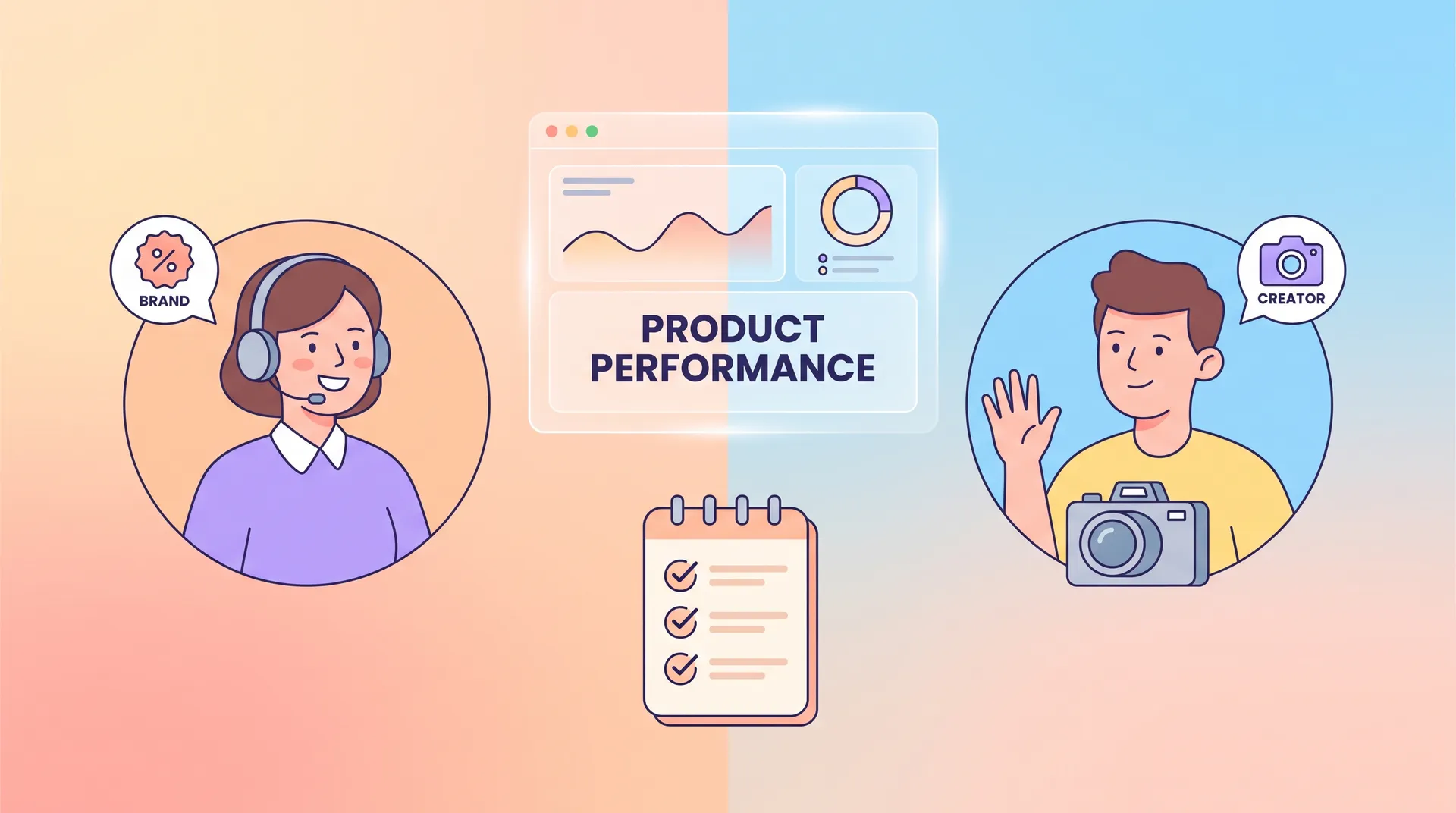
You don't need a 40-field rubric. I use a simple three-column scorecard: Quiz (pass/fail with notes), Walkthrough (clarity, terminology accuracy, pacing), Q&A (honesty, depth, handling of tough questions). A creator needs to clear all three, not just average out to a passing grade. Someone who aces the quiz but flails on the Q&A call isn't ready — they've memorized, not internalized.
I also keep a shared doc across the team so the same creator doesn't get re-vetted from scratch for every new campaign. Once someone passes, they're in a trusted pool, and future briefs can skip straight to the trial walkthrough stage since you already know they understand your category.
If you work with creators across multiple products or markets, this scorecard also doubles as onboarding documentation for your sales and CS teams — it shows them exactly what the creator already knows, so briefs get tighter and faster each time.
What this looks like at different stages of a relationship
For a first-time collaboration, run all three checkpoints. For a creator you've worked with on a different product line, you can usually skip the quiz and jump straight to a lighter trial walkthrough — just enough to confirm they've absorbed the new feature set. For an ongoing ambassador relationship, a quarterly 15-minute Q&A refresh is usually enough to catch product drift, especially if you ship fast and your UI changes often.
One thing I'd push back on: don't skip vetting just because a creator has great past work with other B2B brands. Product knowledge doesn't transfer between companies. I've seen creators who were phenomenal advocates for one CRM completely miss the point of a project management tool because the mental models are different. Vet for your product, every time.
Don't let a slick portfolio substitute for the live walkthrough. Portfolios show editing skill and past brand fit — they don't show whether a creator can think on their feet inside your actual product.
Making Vetting Feel Like an Audition, Not an Interrogation
The framing matters more than people realize. If your vetting process feels like a pop quiz designed to catch creators out, good creators will walk. Frame it instead as "we want you to look great in this video, and that means getting you comfortable with the product first." Most serious creators appreciate that — it signals you're not going to leave them to sink or swim on camera with a half-baked brief.
I usually offer paid access to the trial walkthrough stage once a creator clears the quiz — a small fee, even $50-$100, signals you respect their time and aren't fishing for free content under the guise of "auditions." It also filters out people who were never serious in the first place.
FAQ
Frequently Asked Questions
What is a b2b creator vetting process?
How long should creator vetting take?
Should I pay creators for the vetting process?
What should a B2B product knowledge quiz include?
Does a creator's past B2B experience mean I can skip vetting?
What's the biggest red flag during creator vetting?
Related reading
- B2B Influencer Marketing: Building Creator Partnerships
- Finding Practitioner Creators for Your B2B Influencer Marketing Strategy
- Job Roles Over Follower Counts: SaaS Influencer Marketing
- Founder Video Content Strategy: Prep a 30-Minute Shoot
For more on structuring effective screening calls, the SaaS sales process frameworks from HubSpot are a useful reference even outside a sales context — the discovery-call discipline translates directly to creator Q&A calls. If you want data on how B2B buyers actually evaluate vendors before purchase, Gartner's B2B buying research is worth reading — it's the same skepticism your creator's audience brings to a sponsored walkthrough. And for a deeper look at how structured interviews reduce hiring mismatches — a close cousin of creator vetting — Harvard Business Review's piece on structured interviewing is a good parallel resource.