Freelance brand scaling: run multiple ambassador deals at once
Running multiple brand ambassador deals at once is possible — if you batch content, manage exclusivity, and communicate clearly. Here's the system that works.

Last year I watched a creator turn down a second ambassador deal because she was scared of "juggling too much." The brand she passed on was paying $1,800/month on a six-month retainer. That's $10,800 she left on the table — not because she wasn't capable, but because nobody had shown her a system for freelance brand scaling that actually works.
Running two or three concurrent ambassador relationships isn't chaos. It's a skill. And once you build the workflow, adding a second or third brand is nowhere near as hard as landing the first one.
Here's what that workflow looks like in practice.
The freelance brand scaling mindset shift first
Most creators treat every brand deal like a one-off project — show up, film, deliver, disappear. That works fine for single campaigns. It falls apart the moment you have two brands expecting consistent monthly output.
The shift you need to make: think of yourself as a small content production business, not a solo creator. You have clients (the brands), a production schedule (your batch days), and a client communication protocol. The brands don't need to know about each other. They just need to know you're reliable.
That framing changes everything about how you scope, price, and manage multiple deals simultaneously. If you haven't yet built a solid foundation for long-term partnerships, the brand ambassador program: the UGC creator's full guide is worth reading before you start stacking clients — it covers how ambassador relationships are structured so you know what you're agreeing to before you sign anything.
Map exclusivity before you say yes to anything
This is the step most creators skip, and it's the one that burns them.
Exclusivity clauses are standard in ambassador contracts. They'll typically block you from working with direct competitors for the duration of the deal — sometimes 30 days post-contract, sometimes 90, sometimes the entire retainer period. Sign two contracts without checking this and you could be in breach on both.
Before accepting a second deal, pull out every active contract and read the exclusivity section carefully. Most agreements define the "restricted category" — it might be "meal kit delivery services" or "direct-to-consumer skincare" rather than just "food brands" broadly. That specificity is your friend. A fitness apparel brand and a protein powder brand might look like the same niche to you, but if neither contract lists the other's exact product category as restricted, you're fine.
What to do when you're unsure: email your brand contact and ask. Frame it professionally — "I want to make sure I'm honoring our agreement correctly. Does our exclusivity clause cover X category?" Brands respect creators who ask. They resent creators who get caught. For a deeper breakdown of what these clauses actually mean and how to negotiate them, read our post on non-compete clauses in brand deals.
Practically speaking, the safest portfolio for freelance brand scaling pairs brands from clearly different verticals. Tech + wellness. Home goods + fitness. Travel + pet. Fewer conflict risks, and the content variety actually makes your days more interesting.
The batching system that makes multiple deals manageable
Here's my honest take: trying to produce content for three brands across seven different shooting days a month is exhausting and inefficient. The solution is batch production — and most creators who've figured out how to scale have landed here eventually.
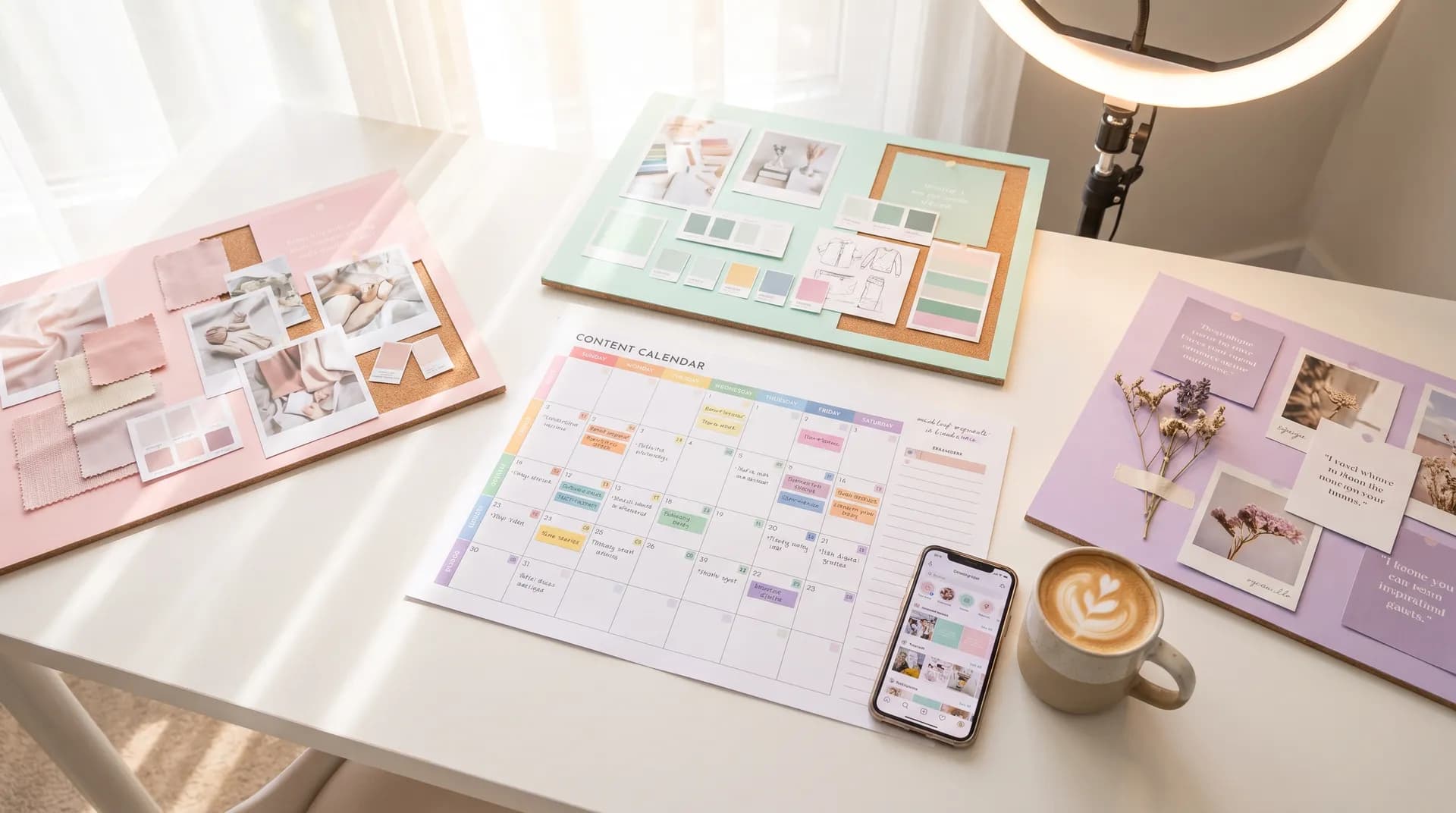
Pick two dedicated filming days per month. On each day, you cycle through brand-specific setups back to back.
A real example of how this looks in practice:
Filming Day 1 (1st week of the month)
- Morning: Brand A (3 videos, 2 photo sets) — uses your kitchen set
- Afternoon: Brand B (2 videos, 3 photo sets) — uses your outdoor space
Filming Day 2 (3rd week of the month)
- Morning: Brand A (remaining deliverables or revision content)
- Afternoon: Brand C (2 videos) — uses your bedroom/desk setup
Between days, you're scripting, editing, and delivering. The brand ambassador deliverables guide breaks down exactly how to define what you owe each brand so there are no surprises on filming day — knowing your deliverables in advance is what makes batching possible in the first place.
The key to making batching work: create a simple brand kit document for each client. One page. Logo, brand colors, tone of voice notes, dos and don'ts, preferred hooks style. Before you start filming for a brand, spend five minutes reviewing it. This is how you switch context without losing quality.

Communication cadence: the thing that keeps every brand happy
Silence is the fastest way to lose a retainer. Brands don't just pay for content — they pay for the confidence that a professional is handling their account.
Set a predictable check-in rhythm with each brand from day one. Not daily messages. Not ghosting for three weeks. Something like this:
- Week 1: Send your content plan for the month (what you'll film, tentative delivery dates)
- Week 2: Deliver first batch, flag any questions on upcoming content
- Week 3: Deliver second batch, ask for feedback on week 1 content
- Week 4: Wrap-up note, confirm next month's focus or any upcoming product drops they want featured
That cadence takes maybe 20 minutes a week per brand. It makes you look like the most organized creator they've ever worked with — because most creators are genuinely terrible at proactive communication.
One practical tip: use a project management tool, even something free like Notion or Trello. Create a board per brand. Each card = a deliverable. Move it through stages: briefed → scripted → filmed → edited → delivered → approved. You'll never miss a deadline and you'll have receipts if a brand claims otherwise.
When you have three brands on retainer, your communication output is maybe an hour a week total. That's not overwhelming — that's just discipline.
How to price when you're running multiple deals
Stacking ambassador deals isn't just about workload management. It's an income architecture decision.
A common mistake is discounting heavily to land multiple brands simultaneously. Don't. Your per-brand rate should reflect the value you deliver to that brand, not a volume discount you offered because you wanted to close fast. If anything, a second or third concurrent brand deal should command a slight premium — your content is proven, your process is tight, and brands are buying reliability as much as creative output.
A realistic income structure for a creator managing three concurrent ambassador deals might look like:
- Brand A: $1,500/month (6 videos + usage rights)
- Brand B: $1,200/month (4 videos + 6 static images)
- Brand C: $800/month (3 videos, no paid usage)
Total: $3,500/month recurring. That's $42,000 annualized — from three retainers. No algorithms. No viral luck required.
This is the income diversification model that makes UGC creation financially viable long-term. Research from LinkedIn's 2024 Workforce Report consistently shows that freelancers with multiple recurring clients report significantly higher income stability than those dependent on project-by-project work. Spreading retainers across different brand verticals also protects you if one brand pauses their program or cuts budget — which happens more than brands like to admit.
If you're not sure how to price your packages to make this math work, the UGC creator retainer packages guide walks through how to structure monthly deals so both you and the brand feel the value.
When to say no to a third (or fourth) deal
Scaling isn't always adding more. At some point, quality degrades — and brands notice before you do.
I'd cap at three concurrent ambassador deals for most solo creators. Four is possible if two of them are lightweight (one deliverable per month, minimal revision cycles). Five is where I've seen creators start missing deadlines, producing noticeably worse content, and eventually losing multiple deals at once.
Signs you're at capacity:
- You're rushing edits to hit deadlines
- You're forgetting which talking points belong to which brand
- You're dreading filming days instead of looking forward to them
When you hit that wall, the right move isn't to grind through it. It's to either raise rates on renewal (so you earn more from fewer brands) or start subcontracting editing work. The goal of freelance brand scaling isn't to have the most deals — it's to build a sustainable content business that pays well without burning you out.
The how to turn a one-off brand deal into long-term deals post covers how to position yourself for renewal and rate increases — which is exactly how you scale revenue without scaling workload indefinitely.
Pitching with a multi-brand portfolio
Here's the counterintuitive part: having multiple active ambassador relationships actually makes you more attractive to new brands, not less.
When you pitch a fourth brand, you can say: "I currently manage ambassador relationships with Brand X in the wellness space and Brand Y in home goods. My production process handles multiple concurrent clients and I maintain dedicated filming schedules to ensure consistent delivery." That signals professionalism. It signals you're not desperate. And it signals that other brands trust you enough to pay you monthly.
Make sure your brand ambassador pitch email reflects that — leading with your track record of ongoing relationships rather than one-off campaign credits is a fundamentally different (and more persuasive) positioning.
Frequently Asked Questions
How many brand ambassador deals can a UGC creator manage at once?
What is freelance brand scaling for creators?
How do I avoid exclusivity conflicts when running multiple brand deals?
Should I offer a discount if a brand finds out I work with other brands?
What's the best way to organize content for multiple ambassador brands?
How do I communicate with multiple brands without it becoming overwhelming?
Related reading
- Brand ambassador program: the UGC creator's full guide
- Non-compete clause in brand deals: what creators must know
- Brand ambassador deliverables: defining your scope of work
- How to turn a one-off brand deal into long-term deals
- Brand ambassador pitch email: templates to land retainer deals
- How to become a brand ambassador with no big following