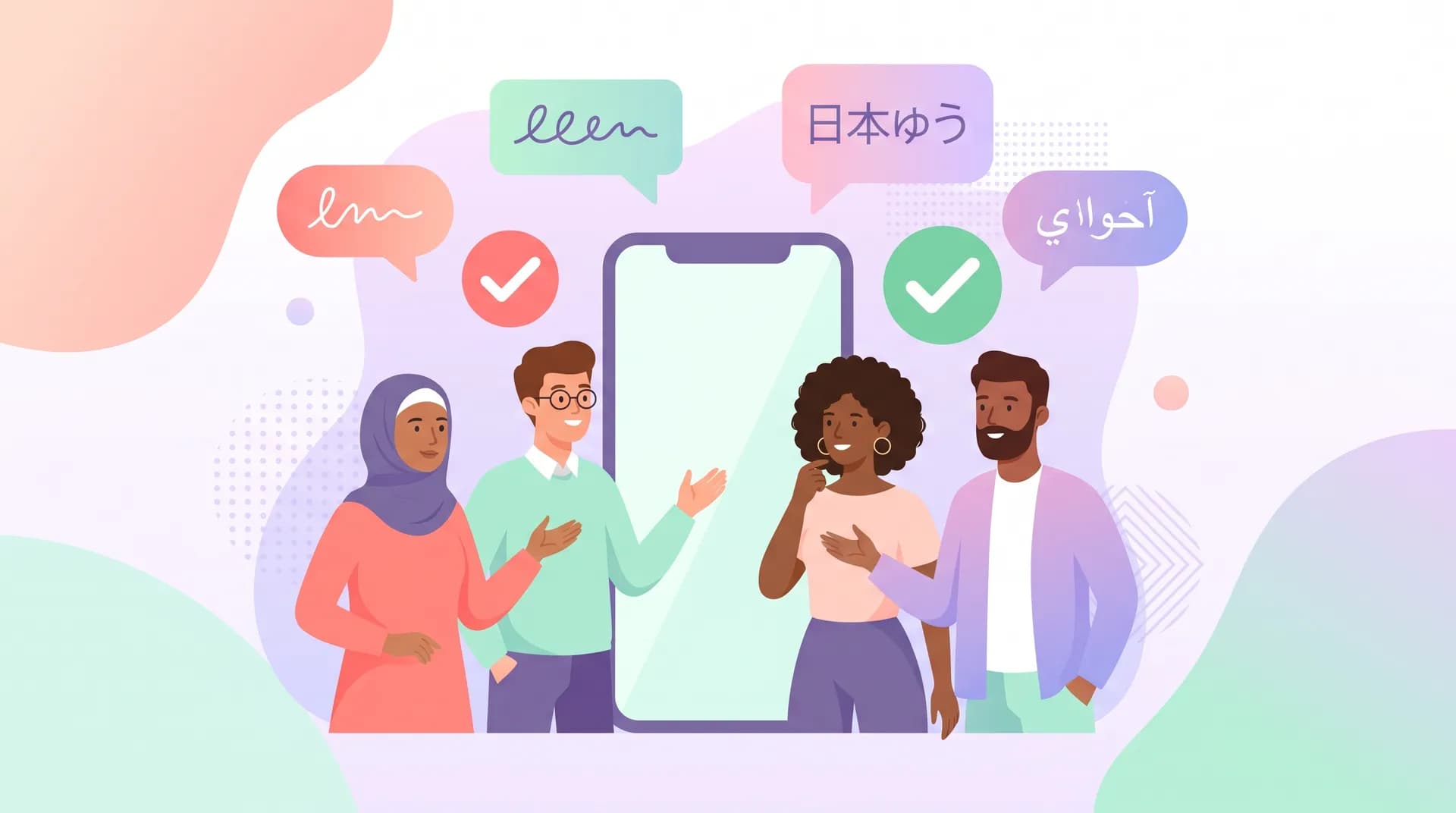
Native Speaker Review Localized Content: Catch Mistakes Early
Native speaker review localized content before launch. A practical workflow to catch tone, slang, and cultural mistakes in creator assets before they go live.

I once watched a brand spend $40,000 producing creator content for a Brazil launch, run it through a certified translation agency, get a stamp of approval — and still bomb. The copy was grammatically perfect. It was also the kind of Portuguese nobody under 40 actually speaks. The campaign read like a government pamphlet. Engagement was a third of what the same creators got in English.
That's the thing nobody tells you about localization: translation accuracy and cultural fit are two completely different problems, and most teams only solve the first one.
Why native speaker review of localized content catches what translation tools miss
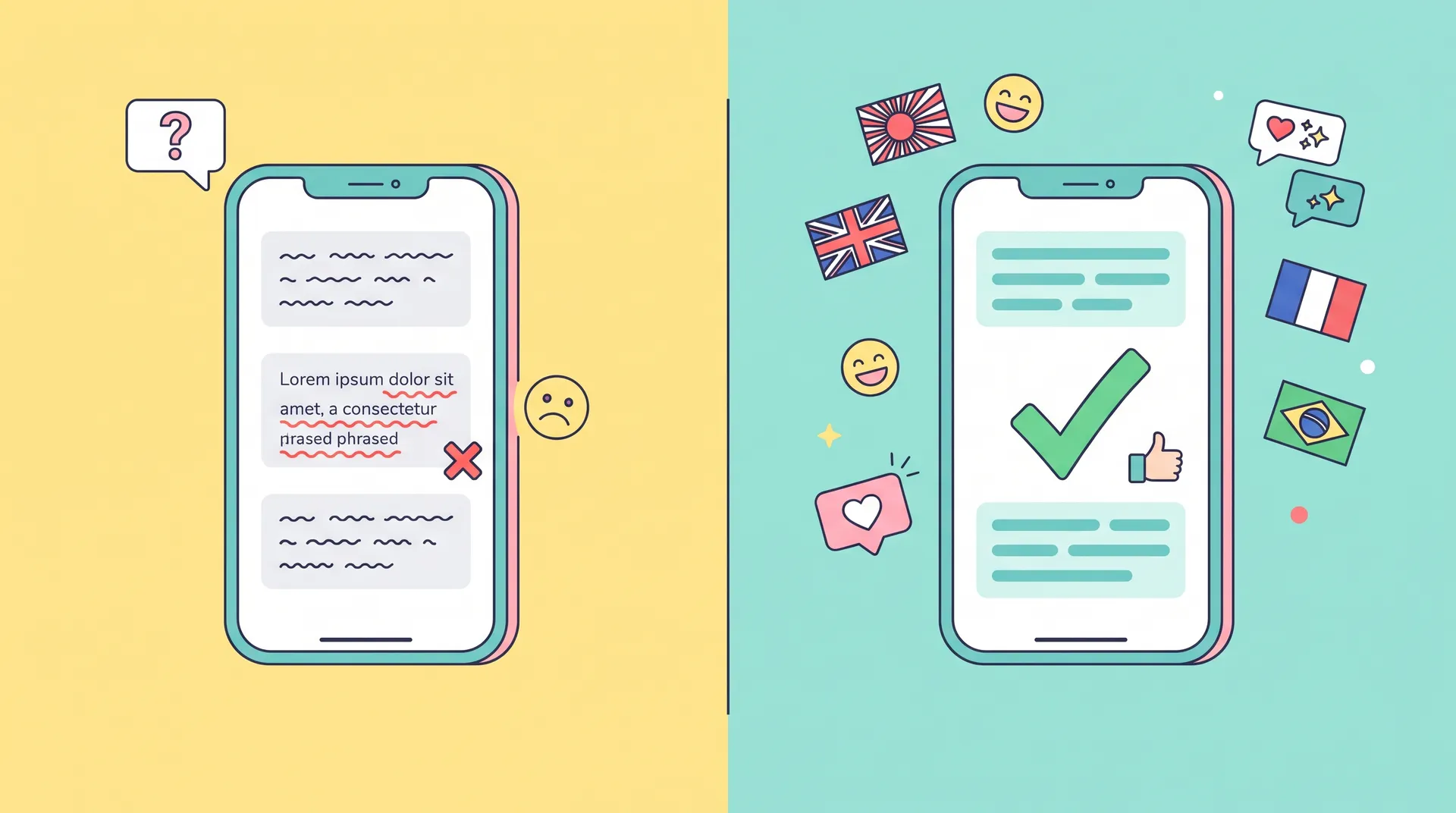
Translation tools and agencies optimize for correctness. Grammar, vocabulary, sentence structure — all technically right. But creator content isn't a legal document. It's supposed to sound like a person talking to their friend, and "correct" language often sounds stiff, dated, or just off in ways a non-native reviewer won't catch.
I've seen three recurring failure modes:
Tone mismatches. A script that's casual and punchy in English gets translated into something formal because the translator defaults to "safe" language. In German, this is brutal — the difference between "du" and "Sie" alone can make a creator sound like a corporate memo instead of a friend recommending an app.
Dead slang. Someone translates "that's fire" into a literal equivalent that was popular five years ago and now makes Gen Z cringe. Slang has a shelf life of maybe 18 months in most markets. A translator working from a glossary has no idea what's current.
Cultural landmines. Hand gestures, colors, numbers, even background music can carry meaning you didn't intend. I know a team that shipped a creator video for Southeast Asia with a thumbs-up gesture used casually — fine in the US, rude in parts of the region. Nobody caught it because nobody on the review team was actually from there.
None of this shows up in a translation QA pass. It only shows up when someone who grew up in that culture, scrolling that platform, in that language, watches the actual video and winces.
A translation certificate tells you the words are accurate. It tells you nothing about whether a 22-year-old in Jakarta or São Paulo would find the content cringey, outdated, or weirdly formal. Those are different jobs, and treating them as one is where most app localization budgets quietly leak.
Building the native speaker review workflow
Here's the workflow I've used across a handful of international launches. It's not complicated, but it has to happen at specific checkpoints or it doesn't work.
Step 1: Script review before filming
Before a creator films anything, the localized script goes to at least two native speakers who are not the translator. I insist on two because one person's opinion is just a preference; two agreeing is a signal. These reviewers should be close to the target demographic — if your creators are 18-24, don't hand the script to someone's 55-year-old aunt who happens to speak the language.
Ask reviewers three specific questions instead of "does this sound okay":
- Would you actually say this out loud to a friend?
- Does anything sound like it was translated rather than written?
- Is there a word or phrase here that's outdated, overly formal, or slang that's already dead?
This step alone catches 70% of the problems I've seen, and it's the cheapest place to fix them — before you've paid for filming.
If you're still figuring out which markets to prioritize before investing in this kind of review infrastructure, start with our guide on app localization market selection — it shapes everything downstream, including how many native reviewers you actually need per language.
Step 2: Rough cut review after filming
Scripts read fine on paper and still land wrong on camera. Delivery, pacing, and the creator's own regional accent all matter. A script that sounds natural when read by a reviewer in Mexico City might sound off coming from a creator based in Buenos Aires — same language, different register entirely.
At this stage, send the rough cut (not the final polished edit) to the same native reviewers. Have them watch with sound, not just read a transcript. I've caught mispronunciations, wrong stress patterns, and even accidental double meanings that only became obvious once spoken aloud.
Step 3: Final pre-launch pass
One more look right before the ad goes live, specifically checking for anything that changed in editing — captions, text overlays, background music choices. If you're deciding between subtitles and full dubbing for your app videos, that choice interacts directly with this review step; our breakdown on subtitles vs dubbing for app videos covers how each format changes what needs reviewing.
Keep a running "mistake log" per market. Every awkward phrase or cultural miss a reviewer flags gets logged with the correction. After two or three campaigns, this becomes a cheat sheet that cuts review time in half and prevents the same mistake from resurfacing six months later.
Who should actually do the reviewing
Don't use the translator as the reviewer. I know it seems efficient — they already know the content — but they're reviewing their own work, and that's a conflict of interest whether they realize it or not.
Good reviewer pools, in order of preference:
- The creators themselves, if they're native speakers (which they should be — more on vetting that below)
- A second, independent native speaker hired specifically for QA, not translation
- Local team members or advisors who use the app's category daily (if it's a dating app, someone who actually dates in that market; if it's fintech, someone who actually pays bills digitally there)
Avoid reviewers who've lived outside the country for more than five years without regular visits. Language drifts fast, especially internet slang, and someone who moved abroad in 2018 is reviewing 2018's version of the culture.
This is also why creator vetting matters so much upfront. If you recruit creators who are genuinely native and currently living in-market, half your review problem disappears before it starts — they won't write or say anything that sounds translated in the first place. Our piece on local creator recruitment for app marketing goes deeper on vetting for actual fluency versus just listing a language on a profile.
Building this into your creative brief
Review doesn't work as an afterthought bolted onto the end of production. It needs to be written into the brief from day one, with named reviewers, deadlines, and a clear rejection process. If your brief doesn't currently specify who signs off on localized copy before filming, that's a gap. Our guide on writing a localization terminology brief walks through exactly what terms and tone notes to bake in so reviewers aren't guessing what "on brand" means in a new language.
This whole review layer is really one piece of a bigger system. If you're building out a full international creator strategy and haven't mapped the end-to-end process yet, our pillar guide on app localization for international creator campaigns walks through how review fits alongside market selection, creator sourcing, and ad localization.
A note on cost and timing
Native speaker review adds time — usually 2-3 days per round if you're working with freelance reviewers on a marketplace like Upwork or through a local agency. Budget $50-150 per review round per market, depending on content volume. That's nothing compared to the cost of a bad launch: re-shooting creator content, re-running paid media, or worse, having the content screenshotted and mocked on local social media, which happens more than brands want to admit.
I'd rather pay a reviewer $100 to catch a problem on Tuesday than find out from a Reddit thread on Friday.
Skipping native review to hit a launch date is the single most common shortcut I see international teams take — and the one that costs the most to undo. A delayed launch is forgettable. A culturally tone-deaf ad that gets screenshotted and mocked sticks around.
What good review feedback actually looks like
Vague feedback like "this feels off" isn't actionable. Train your reviewers to flag specifics: which line, what's wrong, and a suggested fix. I use a simple three-column format — original line, the issue (tone / slang / cultural / accuracy), and the suggested replacement. It turns a fuzzy gut reaction into something a creator or editor can act on in minutes.
When reviewers disagree, don't average their opinions. Dig into why. Sometimes it's a generational split (older reviewer flags slang a younger audience loves) and that tells you something important about who your actual target demo is in that market.
FAQ
Frequently Asked Questions
What is native speaker review in localization?
How many native speakers should review localized creator content?
Should the translator also review the final content?
How much does native speaker review cost?
When should native speaker review happen in the production process?
Can native creators replace a separate review step?
Related reading
- App Localization Market Selection: Pick Your First Market
- App Localization Readiness Checklist Before You Launch
- Subtitles vs Dubbing App Videos: What Actually Converts
- Local Creator Recruitment App Marketing: Vet for Fluency
- Localization Terminology Creative Brief: Brief Creators Right
- App Localization for International Creator Campaigns
Sources referenced: CSA Research on transcreation, Nielsen Norman Group on cross-cultural usability, Common Sense Advisory global content research.