Building an Ongoing B2B Expert Creator Roster That Scales
Learn how to build a b2b expert creator roster from one-off gigs into a maintained bench of vetted practitioners ready for recurring campaigns.

Here's what nobody tells you when you land your first great B2B creator collab: the hard part isn't finding them. It's not losing them three months later when your campaign calendar gets busy and you forget to follow up.
I've watched this happen at a dozen SaaS companies now, including moments at Flare.app where we almost made the same mistake. You run a campaign with a sharp fractional CMO or a devops practitioner who actually knows your product category. The content crushes it. Everyone high-fives. Then the campaign ends, the Slack channel goes quiet, and six months later someone on your team is Googling "B2B influencer marketing" from scratch, like the first collaboration never happened.
That's not a creator problem. That's a roster problem.
What a B2B Expert Creator Roster Actually Is
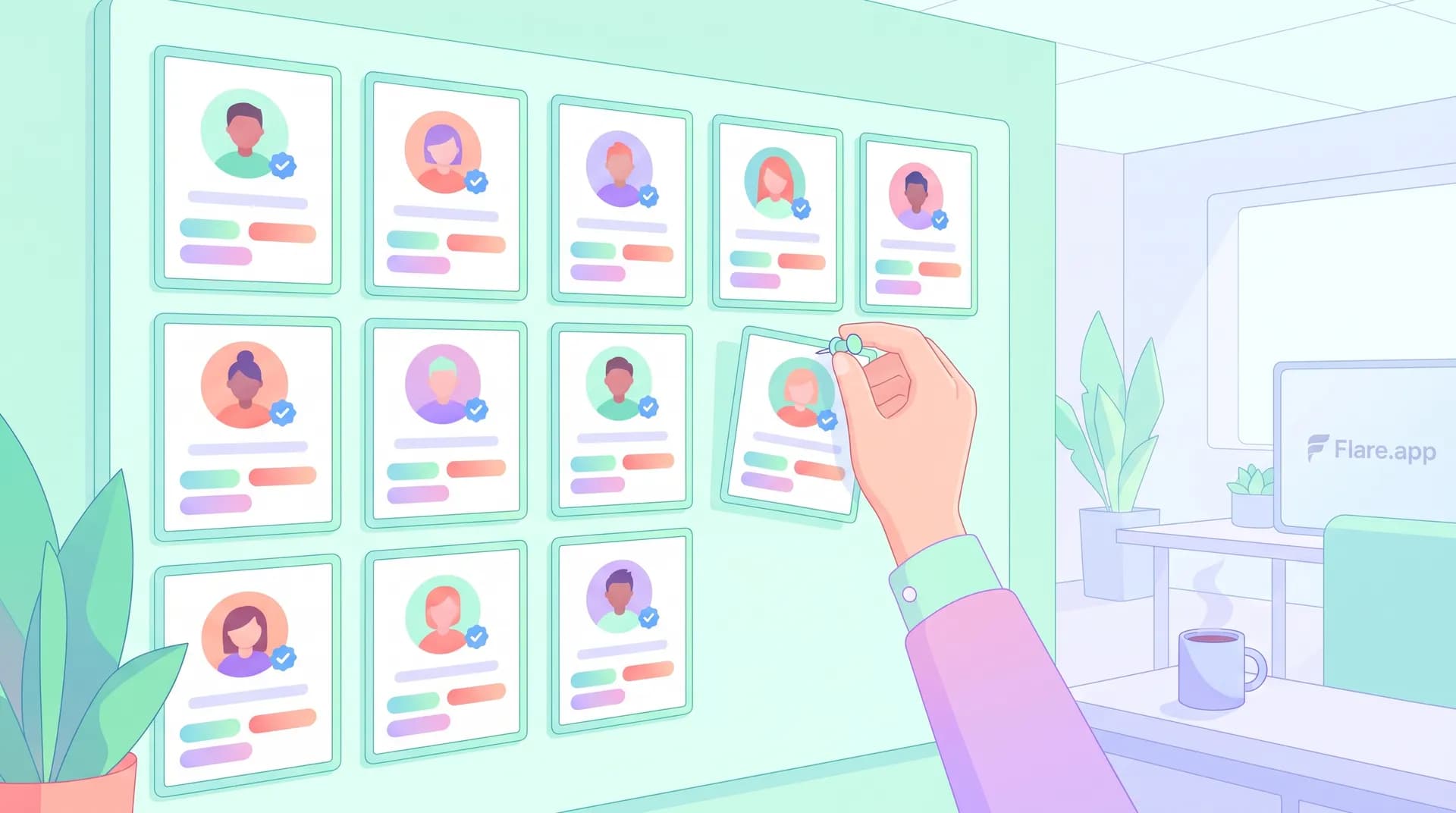
A b2b expert creator roster is a maintained bench of vetted practitioner creators you can activate on demand, instead of re-sourcing talent every single time you need content. Think of it less like a rolodex and more like a bullpen. You know who's warmed up, who knows your product, who delivers on time, and who to call for a LinkedIn carousel versus who to call for a demo teardown video.
Most B2B teams never get here. They treat every campaign as a one-off hunt: post a brief, screen fifteen DMs, pick someone new, cross fingers. I get why — sourcing feels like the visible work. But the companies actually compounding their creator marketing are the ones who stopped starting from zero every quarter.
If you haven't read our pillar piece on B2B Influencer Marketing: Building Creator Partnerships, start there for the foundational strategy. This post is about what happens after your first few partnerships work — how you turn scattered wins into a system.
Why One-Off Collaborations Quietly Cost You More
Every time you re-source from scratch, you're paying a hidden tax: onboarding time, trust-building time, and the risk that a new creator fumbles your product's nuance on camera. I've seen teams spend three weeks sourcing someone who then needs another two weeks just to understand what the product does. That's five weeks before a single piece of content ships.
Compare that to activating someone who already has your product fluency memorized. They can turn around a workflow demo in days, not weeks. The speed difference alone pays for the time you invest in roster-building.
There's also a quality compounding effect. A creator who's done three campaigns with you understands your audience's objections, your brand's tone, and which claims legal will actually approve. First-timers don't have that context. Every rebuild starts the clock over.
How to Move From One-Off Gigs to a Maintained Bench
Building the roster isn't a huge lift. It's a handful of disciplined habits layered onto work you're probably already doing.
Start by auditing who already worked. Pull every creator you've paid in the last 12 months. Rank them on three things: did the content perform, did they understand the product, were they easy to work with. Anyone who scores well on all three is roster material, full stop.
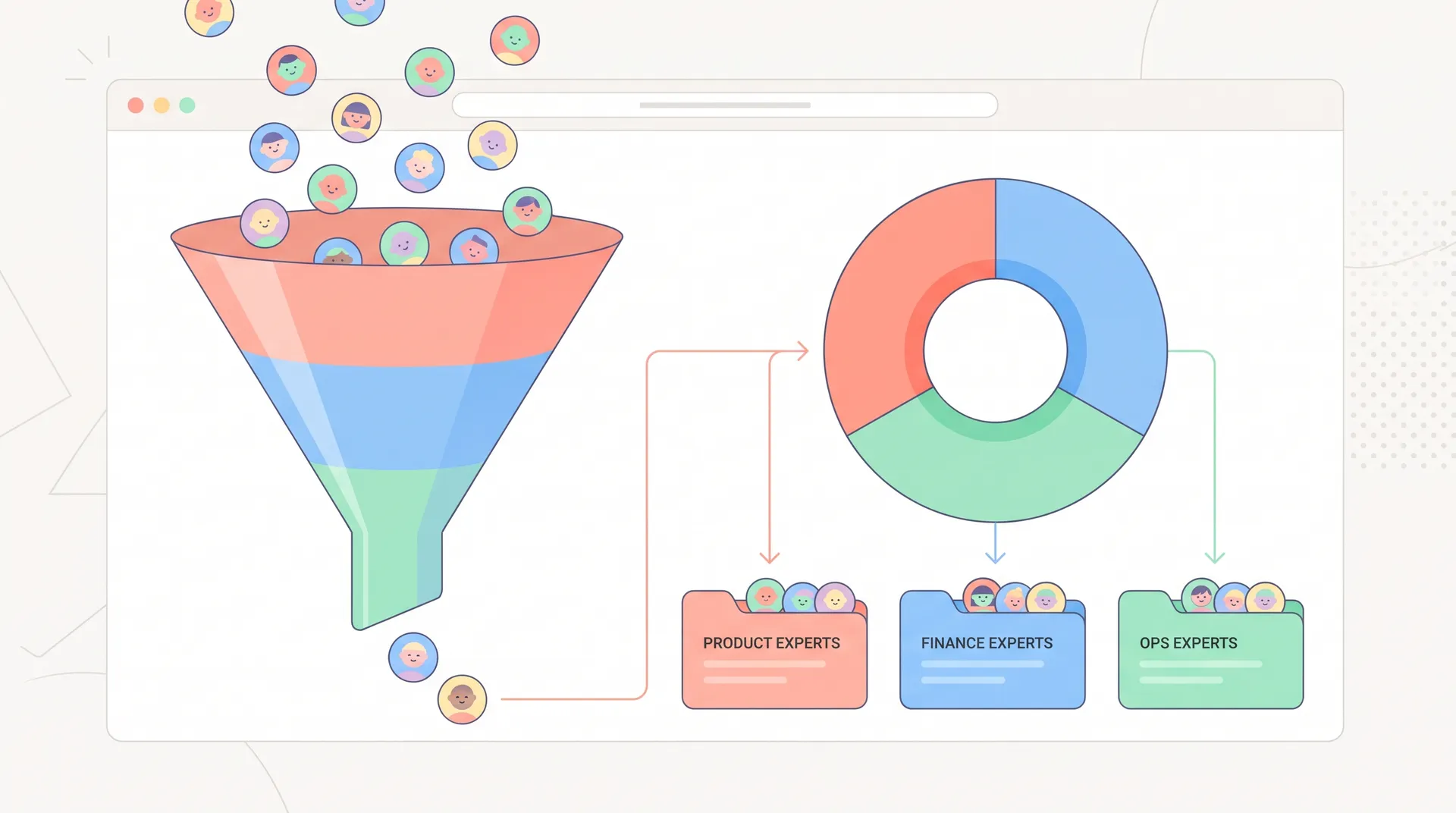
Build a lightweight tiering system. I use three tiers:
- Core bench — creators who've delivered 3+ campaigns, understand your ICP, and get priority briefs and better rates
- Warm pool — vetted but less proven, used for overflow or new content formats
- Cold leads — sourced but untested, parked until you need fresh voices or niche expertise
This isn't bureaucracy for its own sake. It's the difference between messaging "hey, you free this month?" to five people who already trust you versus opening a fresh casting call every time.
Formalize vetting once, not every time. If you're still manually screening every single candidate's product knowledge from scratch, you're duplicating work. We wrote a full breakdown of this in B2B Creator Vetting Process: Test Product Knowledge First — the short version is you need a repeatable test, not a vibes-based call, and once someone passes it they're vetted for the roster, not just for one gig.
Match roles to expertise, not follower count. A roster isn't a popularity contest. Our piece on Job Roles Over Follower Counts: SaaS Influencer Marketing covers why a 4,000-follower RevOps manager who's lived your exact pain point outperforms a 40,000-follower generalist nine times out of ten in B2B. When you're building your bench, tag people by job function and domain, not vanity metrics.
Structuring Your Roster for Recurring Campaigns
Once you've got a bench, the goal is turning it into something you can actually run campaigns against without reinventing the wheel each quarter.
Segment by Content Type, Not Just Topic
Some of your creators are great on camera doing demo walkthroughs. Others are stronger writing LinkedIn posts that read like insider takes instead of ads. If you need credible posts on LinkedIn, you want creators who already know how to avoid sounding sponsored — we go deep on that distinction in LinkedIn Influencer Marketing: What Makes Posts Credible. Tag your roster by format strength so you're not forcing a writer to do a webinar cameo they're uncomfortable with.
Build Standing Briefs, Not Reactive Ones
A maintained roster lets you brief ahead of time instead of scrambling. If you know you need a quarterly workflow demo, you can hand a standing template to your core bench creator rather than writing a new brief from nothing. Our guide on Software Workflow Demo Brief: Brief Workflows, Not Scripts is a good starting template — the point is to brief the outcome and let the practitioner's own expertise shape the delivery.
Decide Who Plays What Voice
Not every campaign needs an external creator. Sometimes an employee or an actual customer is more credible than a paid practitioner. We break down when to use each in Customer, Employee, or Creator: Picking Your B2B Voice — your roster should include options across all three, not just paid external talent, so you're matching the voice to the moment instead of defaulting to whoever's available.
Extend Into Other Formats
A roster isn't just for one-off video or post deliverables. The creators on your bench who understand your product can co-host webinars, contribute to onboarding content, or pair with your product team. See Co-Created Webinar Content: Pairing Creators With Live Formats and Creator-Led Product Education: Turning Expertise Into Onboarding for two formats that get dramatically easier once you have a trusted bench instead of starting from a cold search every time.
Set a quarterly "roster review" on your calendar. Thirty minutes to re-rank who's active, who's gone quiet, and who needs a fresh brief. It's the single habit that keeps a roster from going stale.
Retention: The Part Everyone Skips
Here's the uncomfortable truth — most B2B teams lose their best roster creators to neglect, not competition. You don't lose a great practitioner creator because another brand outbid you. You lose them because you went quiet for four months and they assumed you moved on.
Pay on time. Every time. Late payments are the fastest way to turn a core bench creator into a cold lead, and word travels fast in practitioner communities on LinkedIn and niche Slack groups.
Give feedback, not just briefs. Creators who understand why a piece worked (or didn't) get better faster and stay more invested in your brand specifically, instead of treating you like interchangeable client #12.
Consider retainers for your top tier. According to Influencer Marketing Hub's B2B research, brands running ongoing retainer relationships report notably stronger content consistency than those running purely campaign-by-campaign deals. You don't need to retain your whole bench — just the three or four people doing your heaviest lifting.
Don't let your roster become a closed club. Rotate in one or two new voices every quarter even when your core bench is performing well. Audiences notice repetition, and your best creators will eventually move on to other brands — you want fresh talent already warmed up when that happens.
What Good Roster Management Actually Looks Like Day to Day
In practice, a working roster is a simple spreadsheet or lightweight CRM with columns for: creator name, tier, content format strengths, product fluency notes, last campaign date, rate, and payment terms. Nothing fancy. The value isn't the tool — it's that it exists at all and someone owns updating it.
Research from LinkedIn's B2B Marketing Blog echoes this: companies with structured, ongoing creator relationships report significantly higher content output per quarter than those sourcing ad hoc, simply because the friction of re-discovery disappears. And Edelman's Trust Barometer data consistently shows that audiences trust repeat, recognizable practitioner voices more than one-off sponsored mentions — another reason consistency on your roster compounds credibility over time.
Start Small, Build the Bench Deliberately
You don't need fifty creators on a roster. You need five to eight people who consistently deliver, understand your product, and show up when you need them. Everything else — the tiering, the briefs, the retainers — is just infrastructure to protect that core group from the churn that kills most B2B creator programs.
Audit your last year of creator spend this week. You'll probably find your roster is already half-built. It just needs someone to name it, tier it, and keep it warm.
FAQ
Frequently Asked Questions
What is a B2B expert creator roster?
How many creators should be on a B2B roster?
How is a creator roster different from an influencer list?
Should B2B companies use retainers for creator rosters?
How often should a creator roster be reviewed?
What causes B2B brands to lose good roster creators?
Related reading
- Finding Practitioner Creators for Your B2B Influencer Marketing Strategy
- B2B Creator Vetting Process: Test Product Knowledge First
- Job Roles Over Follower Counts: SaaS Influencer Marketing
- LinkedIn Influencer Marketing: What Makes Posts Credible
- B2B Influencer Marketing: Building Creator Partnerships
- Customer, Employee, or Creator: Picking Your B2B Voice